Landscape Design
How to Use Organic Substrate for Garden Planning: A Practical Guide
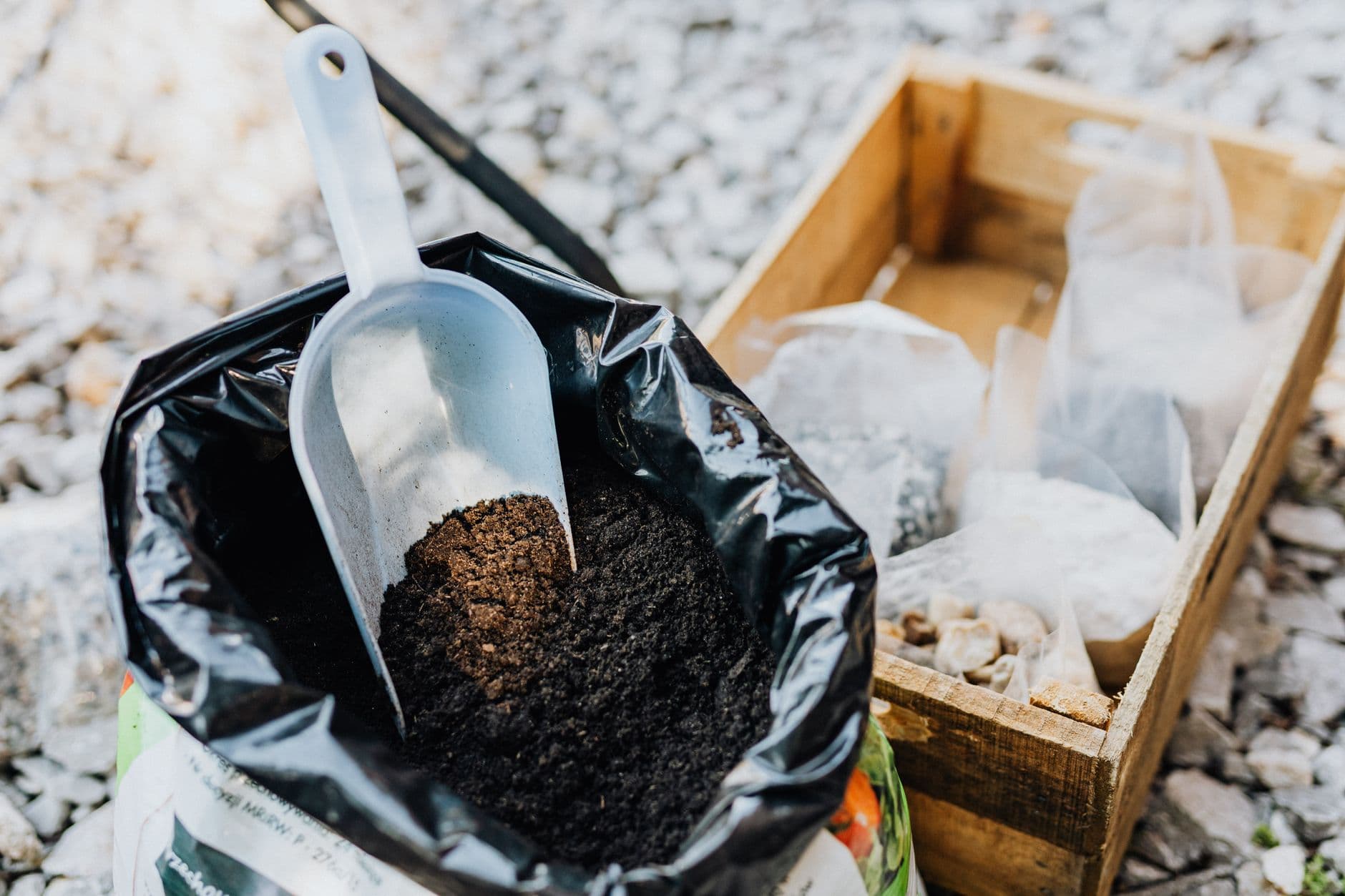
Why is organic substrate the foundation of a successful landscape?
Professional landscape design isn't just about aesthetics; its long-term sustainability is directly linked to soil quality. Often, the soil left behind after construction cannot provide the essential nutrients plants need. This is where high-quality organic substrate comes into play, as it is the most effective way to improve soil structure.
Benefits of organic substrate
- Soil aeration: Organic components help loosen the soil, allowing the root system to absorb oxygen more effectively.
- Moisture retention: Unlike sandy or clay soils, substrate maintains optimal humidity, reducing the frequency of watering.
- Micronutrient balance: Organic materials decompose slowly and nourish plants over a long period, making them the best alternative to chemical fertilizers.
- Root system development: Its porous structure allows plants to establish roots quickly and deeply.
Step-by-step guide to preparing your garden
If you are planning to organize a garden or yard, we recommend following this process for the best results:
Step 1: Soil diagnostics
Observe your existing soil. If it is too heavy (clay-like) or too loose (sandy), it definitely needs to be "enriched" with organic substrate. This is the foundation upon which the beauty of your garden will rest.
Step 2: Mixing the soil
Do not use substrate alone; the best results come from mixing it with the existing soil in a 30/70 ratio. If the soil is very dense, add a small amount of perlite to improve the drainage system. This mixture ensures that your future seedlings develop properly.
Step 3: Distribution and leveling
Spread the prepared mixture over the designated area. Keep in mind that when designing a garden, spacing between plants is just as important as the soil composition. When planting, place the substrate at the bottom and around the hole so that the roots have a soft and nutritious environment.
Step 4: Mulching and protection
After planting, add an extra layer of organic substrate on the surface. This will protect the roots from temperature fluctuations and help retain moisture.
Expert Advice
The Geotime team often sees cases where customers choose the wrong materials. Remember: landscaping is a complex task. In addition to organic substrate, you may need pumice or quartz sand for a drainage layer, especially if your garden has a high water table or the soil does not drain easily.
Our materials will help you create soil that ensures the vitality of your garden. Whether for ornamental plants, lawns, or vegetable crops, making the right choice at the initial stage will save you time and resources in the future.
Do you need a consultation on selecting materials? The Geotime team is ready to assist you with projects of any scale, in Tbilisi and throughout Georgia.