Landscape Design
Organic Substrate vs. Sand: Which Should You Choose for Your Garden?
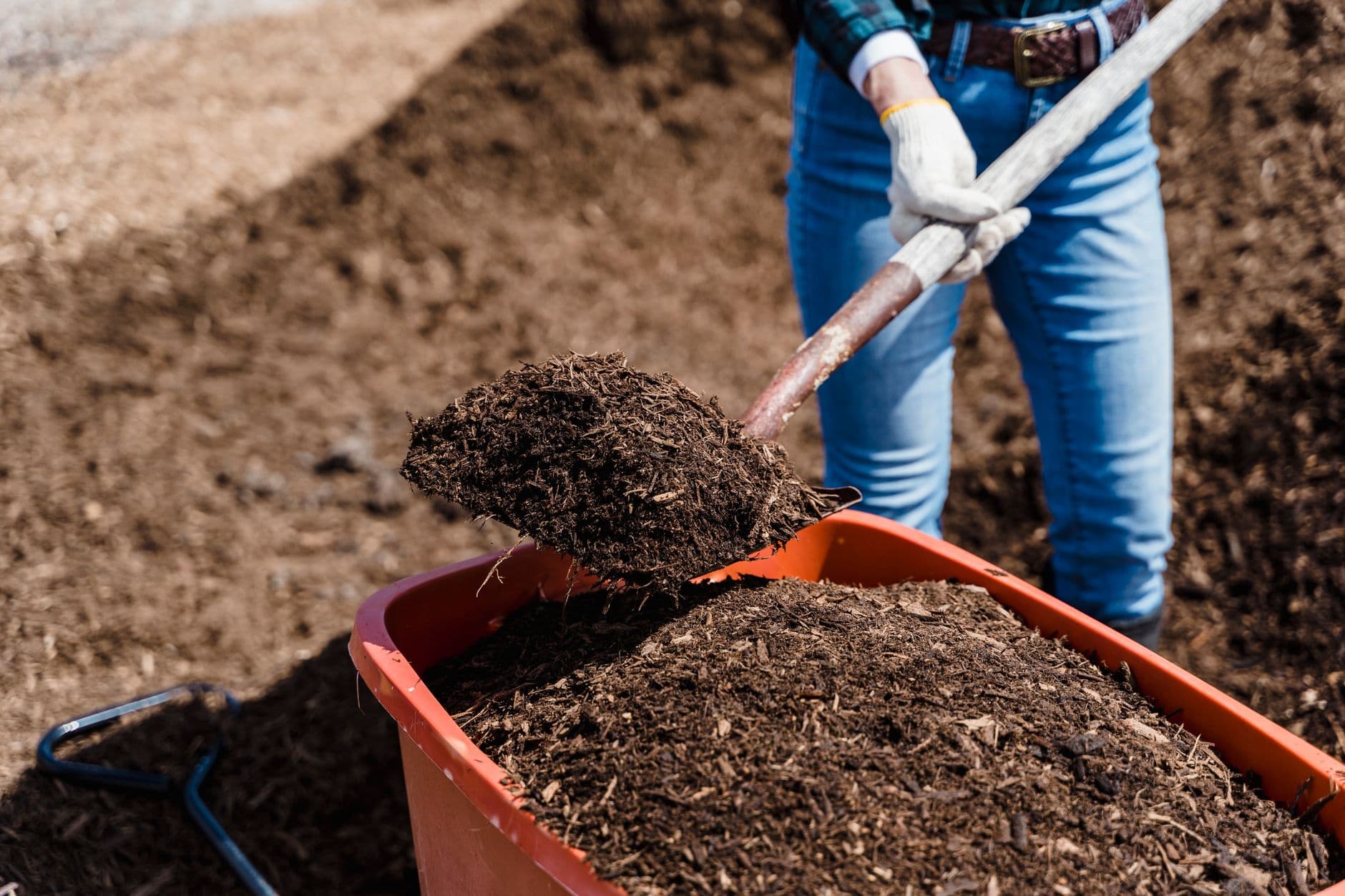
Organic Substrate and Mineral Aggregates: Landscape Friends or Competitors?
Soil preparation is the most critical stage in garden planning and landscaping. Gardeners and landscape designers often face a choice: what materials should be used to improve plant growth and soil structure? We are frequently asked which is better: organic substrate, such as peat or perlite, or traditional sand?
In reality, this is not an 'either-or' choice. It is a complex approach where each material has its own unique function. Let’s examine their roles and compare their characteristics.
The Role of Organic Substrate: Nutrition and Moisture
Organic substrate, such as high-quality peat, acts as a storehouse for plant nutrients. It alters the composition of the soil, making it more porous and helping plant roots absorb oxygen.
- Moisture Retention: Organic material absorbs water and gradually delivers it to the roots, which is particularly important during dry periods.
- Improving Microflora: Substrate promotes the growth of beneficial bacteria in the soil, which strengthens plant immunity.
The Importance of Sand: Drainage and Structure
On the other hand, sand—including washed sand or quartz sand—does not provide a nutritional base, but it is essential for modifying the mechanical properties of the soil.
- Drainage: Adding sand to heavy clay soils ensures rapid water runoff, which protects roots from rot.
- Aeration: Sand creates spaces between soil particles, which improves air circulation.
Comparative Analysis: How to Choose the Right Material?
When planning landscape work, it is essential to consider the soil type:
- Clay Soil: The main problem here is water retention and lack of air. The solution is a mixture of washed sand and organic substrate. The sand provides structure, while the substrate provides nutrition.
- Sandy (Poor) Soil: In this case, the opposite is true; a dominance of organic substrate is needed so the soil can retain moisture and nutrients.
- Container Gardening: A combination of perlite and substrate is necessary here to create a light, nutrient-rich mix that allows the root system to develop in a confined space.
Conclusion
Gardening requires a balanced approach. Do not try to fully replace one material with another. You will achieve the best results by using high-quality additives. At Geotime, we offer a variety of construction sands and organic substrates to help you create the perfect soil composition for your garden.
Contact us to select the right materials and receive expert advice from professionals who will make your project perfect.